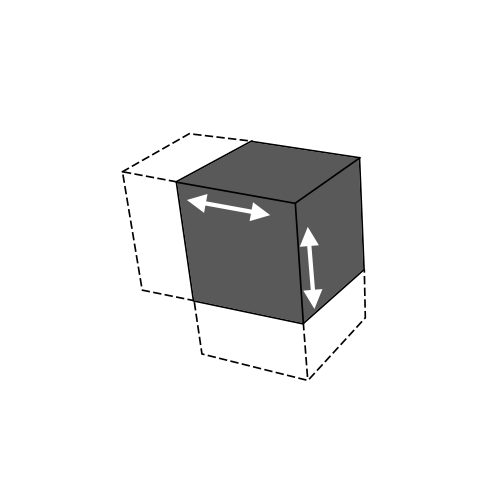
Did you know that buildings are constantly moving?
Building movement is a natural part of how structures perform throughout their service life. Understanding the causes of movement is essential for selecting detailing strategies that protect the building envelope while maintaining structural and architectural performance.
Buildings move for many reasons, and different products are available to accommodate each movement condition. Typical causes of building movement include:
Considering these movement conditions early in design helps reduce stress on building components and improves long-term performance.
One of the most common methods of accommodating building movement is the use of expansion joint assemblies.
Typical detailing for seismic building movement includes three primary components:
Together, these components allow movement while maintaining the continuity of the building envelope and meeting project performance requirements.
Design TOgether with your Structural Engineer to determine the building movement conditions expected for your project. Understanding these movement requirements helps define the appropriate detailing strategies and supports the selection of expansion joint products suited to your specific building conditions.
Building movement is an important design consideration that affects every building throughout its life. By understanding the causes of movement and coordinating appropriate expansion joint solutions, designers can better protect the building envelope while supporting structural performance and long-term durability.
Ready to streamline Building Movement detailing into your design? Discover how D.TO enhances your daily design workflows on D.TO’s key features page, or schedule a demo to explore them in more detail!!
