Understanding Drip Edge Function in Building Design
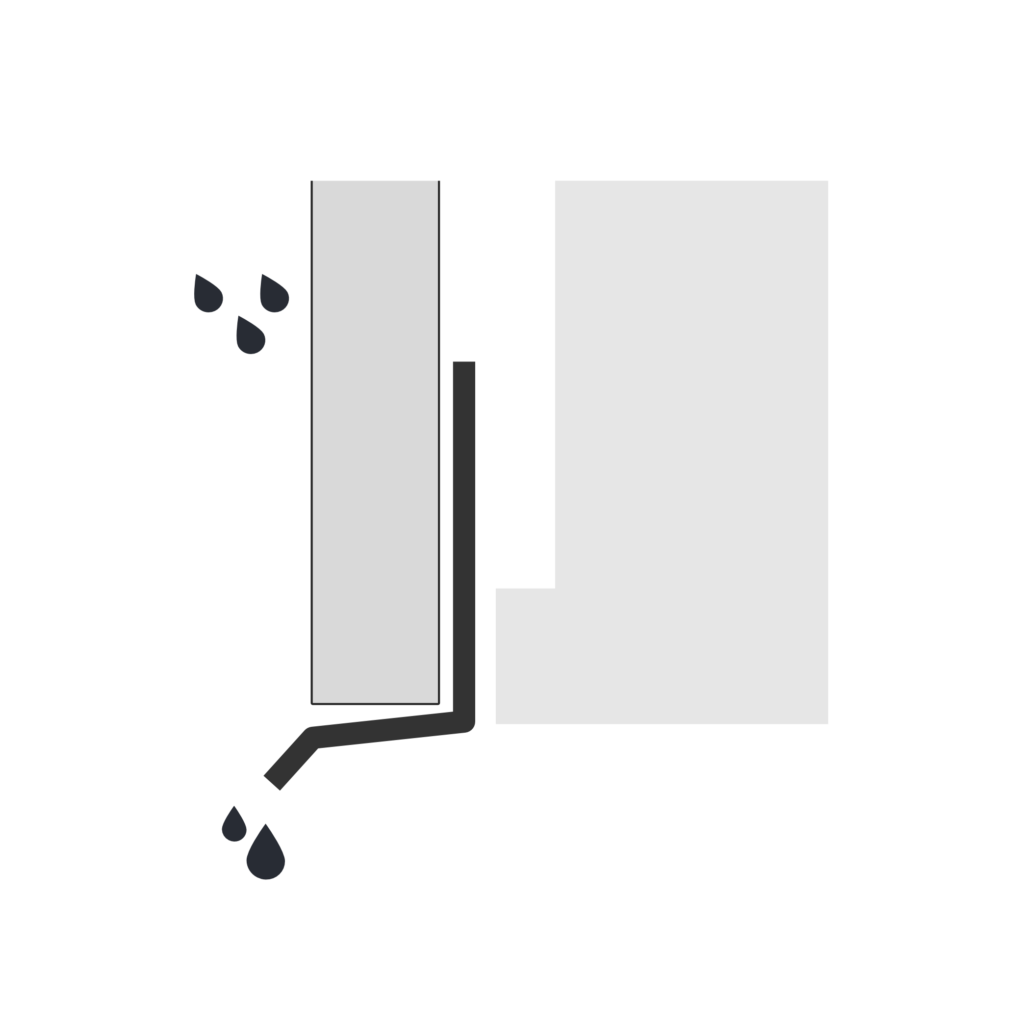
Did you know we control water by designing when and where to let it drip? A drip edge is a critical component that helps protect roofs, walls, and other building elements from water damage.
Material Selection for Drip Edge Components
Drip edges can be made from aluminum, steel, copper, or vinyl. The selected material must be durable, weather-resistant, and compatible with adjacent building components to ensure long-term performance.
Sizing and Configuration Considerations
Drip edges come in different sizes and shapes depending on building conditions, material type, and climate. The selected configuration must provide adequate coverage and drainage for the specific building component.
Installation at Roof Edges
A drip edge installed at roof eaves and rakes must extend over the fascia and onto the roof deck. Installation should occur before roofing materials are placed, and the drip edge must be securely fastened to the deck.
Overhang and Water Control
A drip edge should overhang building components by at least 1/4 inch to prevent water from seeping behind and causing damage. In some cases, sealant is applied between the drip edge and adjacent materials to improve water resistance.
Aesthetic Considerations
The color of the drip edge should match adjacent building materials to maintain a cohesive appearance while still providing functional protection.
Best Practices for Drip Edge
Properly designed and installed drip edge components help direct water away from critical building areas, reducing the risk of moisture damage. Attention to material selection, sizing, and installation ensures both performance and visual consistency.
Ready to streamline Drip Edge detailing into your design? Discover how D.TO enhances your daily design workflows on D.TO’s key features page, or schedule a demo to explore them in more detail!!